-
home
- About Us
- Product Center
-
energy industry
-
chemical industry
-
Grain and oilseed industry
-
paper industry
-
pharmaceutical industry
-
iron and steel industry
-
Gearbox accessories
- Industry Applications
- industry case
- News
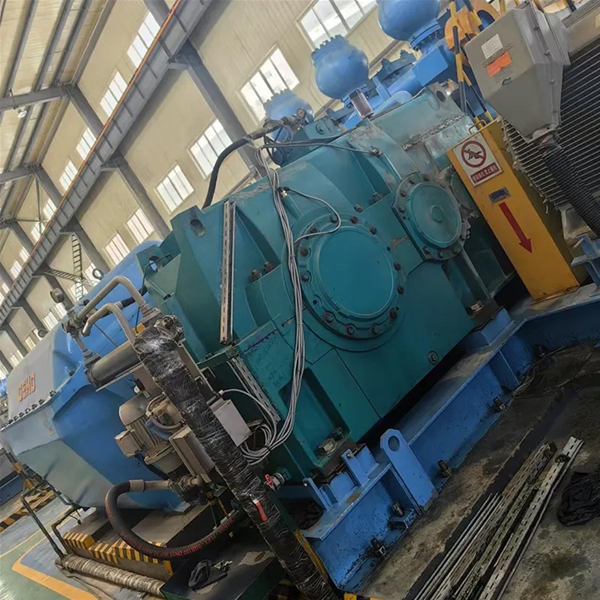
Diaphragm pump reducer
- Type:chemical industry
- Code:

-
In the alumina industry, membrane pumps are key equipment, and their reducers must meet strict requirements for high reliability, high load, and stable operation. As a key component connecting the electric motor and the membrane pump, the reducer is responsible for transmitting power, reducing speed, and increasing torque. Its performance directly affects the stability of the entire conveying system.
- Product Description
In the alumina industry, membrane pumps are key equipment, and their reducers must meet strict requirements for high reliability, high load, and stable operation. As a key component connecting the electric motor and the membrane pump, the reducer is responsible for transmitting power, reducing speed, and increasing torque. Its performance directly affects the stability of the entire conveying system. The main features of the alumina industrial membrane pump reducer include: 1. High overload capacity and load-bearing capacity: Due to the high viscosity, high solid concentration, and strong abrasiveness of alumina slurry, membrane pumps need to overcome significant resistance during start-up and operation. Hansen reducers have excellent load-bearing capacity and can cope with instantaneous impact loads caused by highly viscous materials, ensuring smooth start-up and continuous operation of the equipment under heavy load conditions. 2. High reliability and long-life design: Alumina production is a continuous process, and the failure of the membrane pump system will cause the entire production line to shut down, resulting in significant economic losses. Therefore, Hansen reducers need to be manufactured using high-precision gear machining, high-quality materials, and advanced heat treatment technology to achieve continuous operation 24 hours a day, 365 days a year, minimizing maintenance frequency and downtime. 3. High operational stability and low vibration level: In order to reduce the impact on vulnerable components such as diaphragms and bearings and extend the overall life of the equipment, the reducer needs to provide a stable output torque to avoid vibration and noise during operation. This requires high-precision internal gear meshing, good dynamic balance, and is often used in conjunction with flexible couplings and other components.
{1}
{2}
{3}
{4}
{5}
-
About Us
Company Profile Cooperative Clients Honors and Qualifications -
Product Center
energy industry chemical industry Grain and oilseed industry paper industrypharmaceutical industry iron and steel industry Gearbox accessories -
News Updates
Company News -
Contact Us
mobile phone: 131-3221-3899 Mr. Wang telephone:022-85109206 email:tianjinhansen@126.com address:No. 6 Jingli Road, Beichen Economic Development Zone, Beichen District, Tianjin City Contact Us Online Message

 Copyright ©2025Hansen (Tianjin) Transmission Equipment Co., Ltd. All rights reservedJin ICP No. 20002093-1Technical SupportTianjin Zhongying Tianxia Technology Co., Ltd
 - About Us