-
home
- About Us
- Product Center
-
energy industry
-
chemical industry
-
Grain and oilseed industry
-
paper industry
-
pharmaceutical industry
-
iron and steel industry
-
Gearbox accessories
- Industry Applications
- industry case
- News
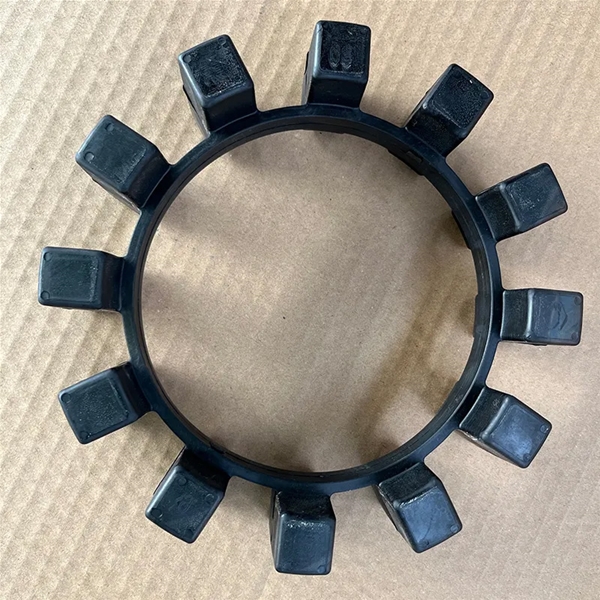
cushion pad
- Type:Gearbox accessories
- Code:

-
The buffer pad (also known as elastic coupling buffer pad, elastic pad or damping pad) at the connection between the reducer and the electric motor is an important component in the power transmission system. Its main function is to improve connection characteristics, protect equipment and enhance system stability.
- Product Description
The buffer pad (also known as elastic coupling buffer pad, elastic pad or damping pad) at the connection between the reducer and the electric motor is an important component in the power transmission system. Its main function is to improve connection characteristics, protect equipment and enhance system stability.
1、 The main function of a cushion pad
1. Shock absorption and buffering
Absorb the impact force and vibration generated when the motor starts, stops, or suddenly changes load, prevent these forces from being directly transmitted to the reducer, and protect gears, bearings, and other precision components.
Reduce torsional vibration in the transmission system to prevent equipment damage caused by resonance.
2. Compensate for coaxiality error
Allow for slight radial, axial, or angular deviations (usually not exceeding 0.1) during the installation of electric motors and reducers; 0.2 millimeters), reducing the strict requirements for installation accuracy.
Reduce additional loads, noise, and wear caused by poor coaxiality.
3. Isolate high-frequency vibration and noise
Block the transmission of high-frequency vibrations from the electric motor to the reducer and subsequent equipment, and reduce overall working noise.
This is particularly important for precision equipment or environments that are sensitive to noise, such as medical equipment and laboratory equipment.
4. Overload protection
In the event of sudden overload, the elastic element can temporarily cushion the impact by deforming or slipping (some structures), preventing damage to the transmission components.
5. Extend the lifespan of equipment
By reducing vibration and impact, fatigue damage to components such as gears, bearings, and seals can be reduced, extending the service life of reducers and motors.
Materials and Elastic Structures
Common materials: rubber (chloroprene rubber, nitrile rubber)
Rubber: has good damping characteristics and low cost.
Structural form: petal shaped pad (flower shaped buffer)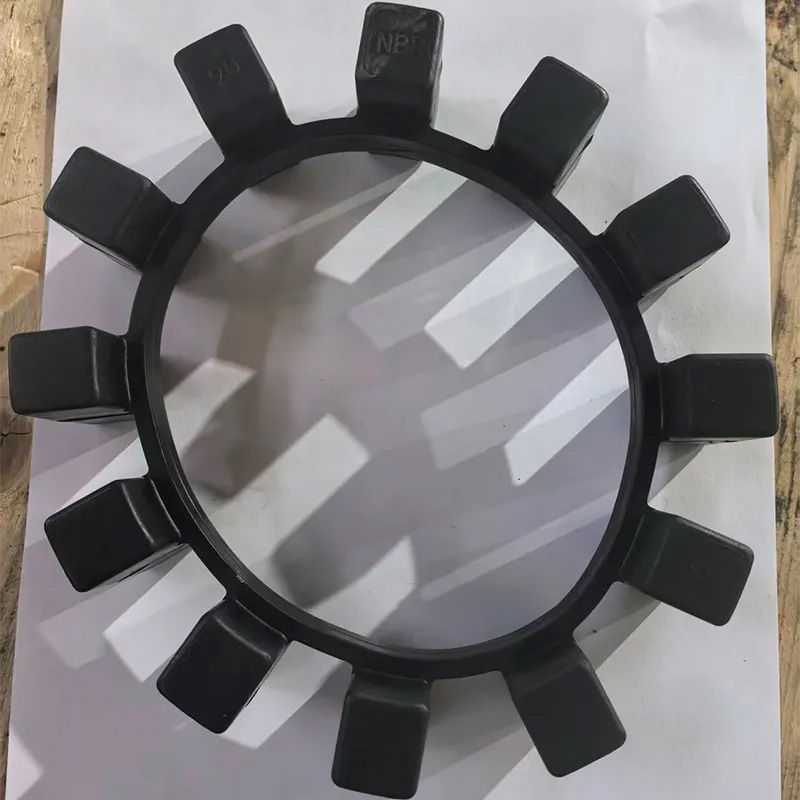
-
About Us
Company Profile Cooperative Clients Honors and Qualifications -
Product Center
energy industry chemical industry Grain and oilseed industry paper industrypharmaceutical industry iron and steel industry Gearbox accessories -
News Updates
Company News -
Contact Us
mobile phone: 131-3221-3899 Mr. Wang telephone:022-85109206 email:tianjinhansen@126.com address:No. 6 Jingli Road, Beichen Economic Development Zone, Beichen District, Tianjin City Contact Us Online Message

 Copyright ©2025Hansen (Tianjin) Transmission Equipment Co., Ltd. All rights reservedJin ICP No. 20002093-1Technical SupportTianjin Zhongying Tianxia Technology Co., Ltd
 - About Us